Who we serve

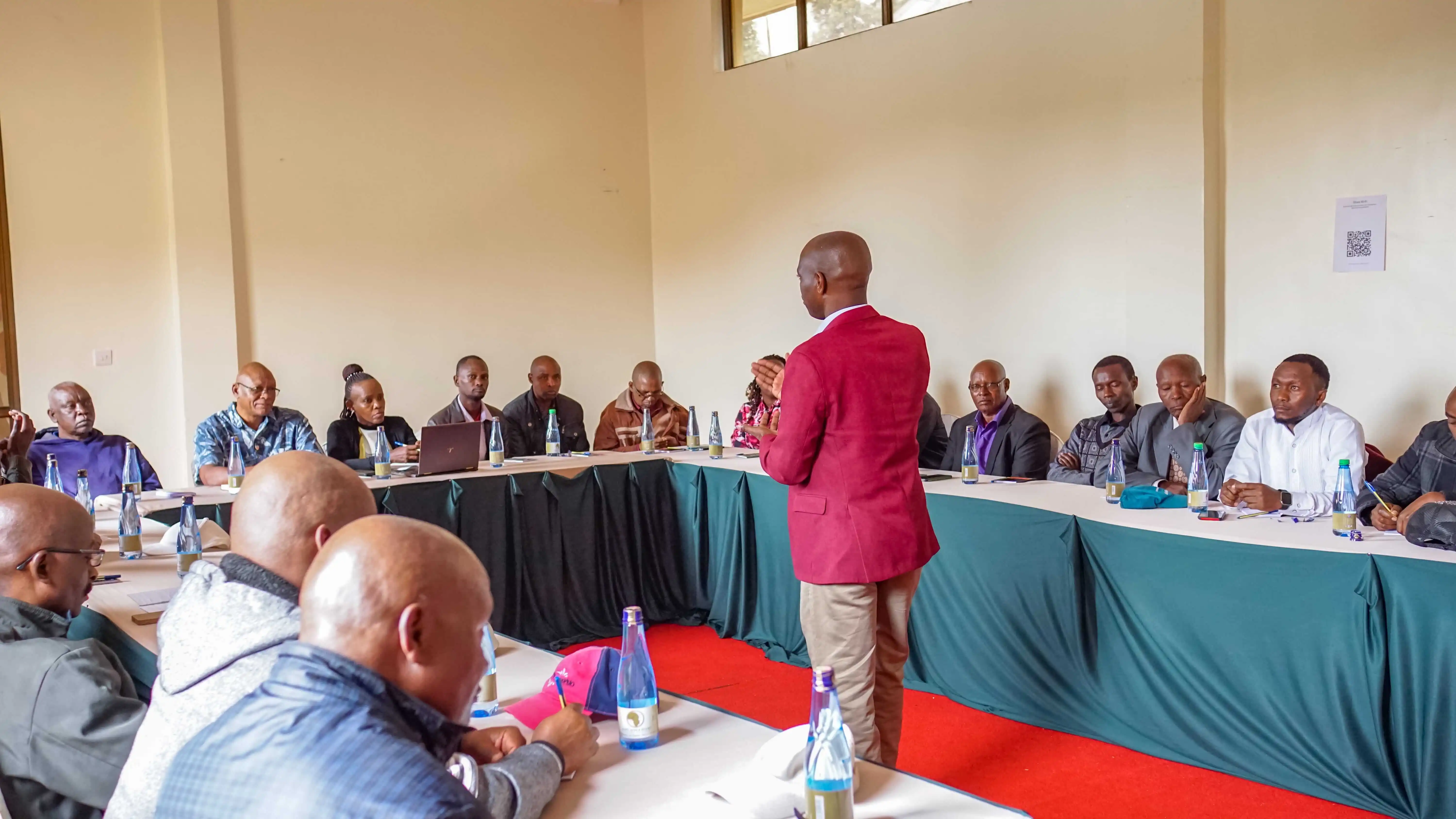
Public primary and secondary school teachers — especially in rural and peri-urban areas with limited psychosocial support structures.

Where we work

Nationwide, prioritizing schools in hardship areas, ASALs, informal settlements, and underserved rural zones across all 47 counties.

How we prioritize

Based on prevalence of teacher challenges, socioeconomic vulnerability, recommendations from education authorities, and formal requests from schools.
Pillar 01

Mental health support

Teachers face unprocessed trauma, job burnout, and a near-total absence of psychosocial support. This pillar creates safe, structured spaces for healing — individually and in community with peers.

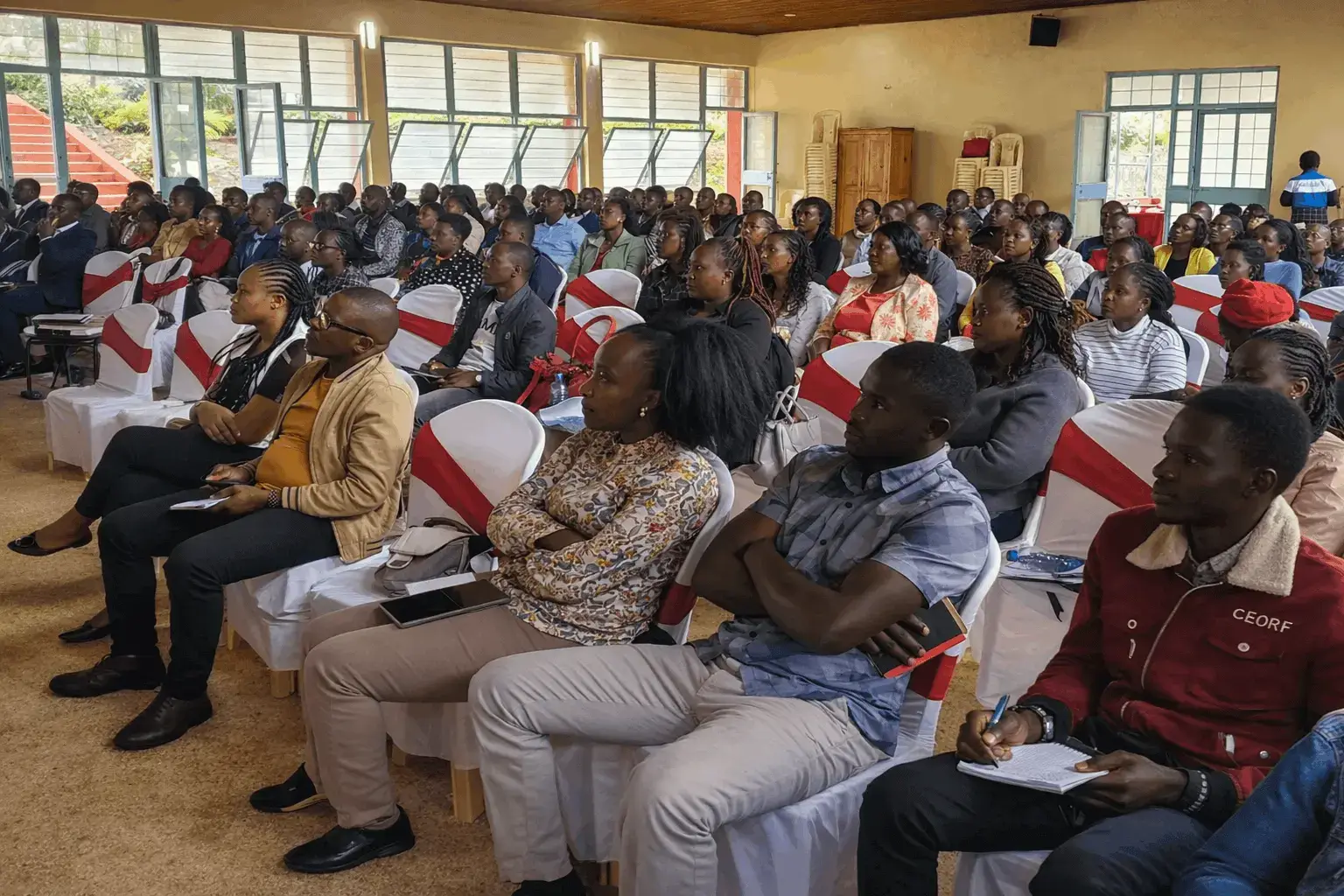
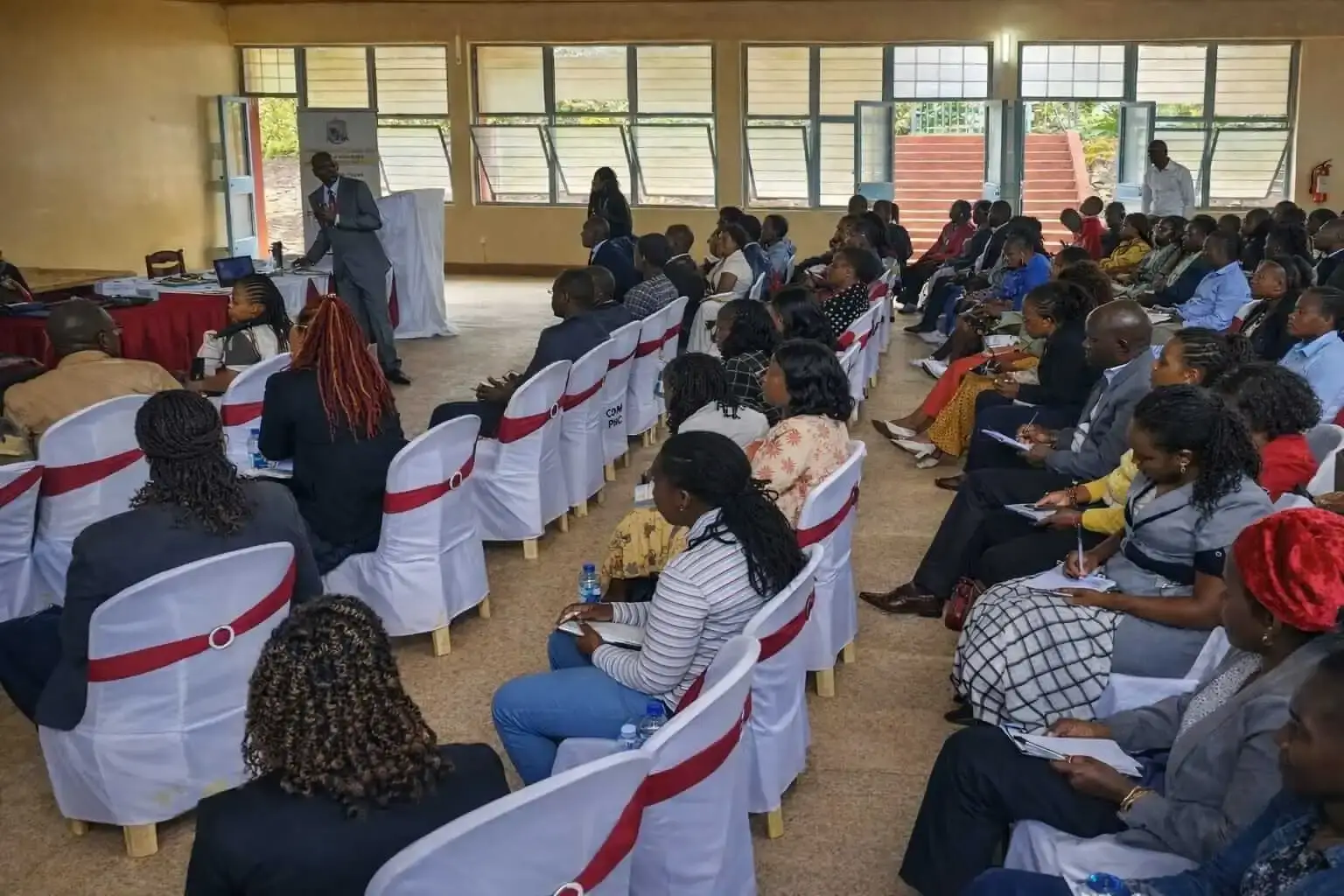
Group psychoeducation & wellness talks

Facilitated group sessions that educate teachers on mental health, normalise help-seeking behaviour, and build a culture of peer support within school communities.

Individual therapy & coaching sessions

One-on-one sessions with qualified counselling professionals, tailored to each teacher's specific challenges — from burnout and grief to relationship stress and identity crises.

Crisis counselling

Rapid-response counselling support for teachers experiencing acute psychological distress — including trauma from student unrest, community violence, or sudden personal loss.

Stress management training

Evidence-based tools and frameworks to help teachers recognize stress signals early and develop healthy, sustainable coping strategies for the demands of the profession.

Why this matters

Mental health deterioration from unprocessed trauma and burnout is one of the leading contributors to teacher absenteeism, underperformance, and misconduct in Kenya's schools. Early intervention protects both teachers and learners.

Pillar 02

Personal finance coaching

Financial instability and chronic debt are driving teachers into destructive cycles — from gambling addiction to loan dependency. This pillar equips them with the knowledge and skills to break free and build lasting financial security.

Budgeting & debt management workshops

Hands-on workshops that teach practical budgeting frameworks, responsible debt management, and strategies to escape the cycle of salary-advance dependency common among public school teachers.

Savings & investment training

Guidance on building savings habits, understanding investment vehicles appropriate for a public sector salary, and identifying credible financial products and SACCOs available to teachers in Kenya.

Retirement planning

Many teachers retire into poverty despite decades of service. This module provides step-by-step retirement planning, pension optimization guidance, and long-term financial goal-setting — well before retirement approaches.

Peer pressure & lifestyle inflation

Targeted sessions on navigating the social pressures that drive financial mismanagement — including gambling, instant-loan app dependency, and unsustainable lifestyle spending fuelled by betting platforms.

Why this matters

Financial instability is a key driver of ethical misconduct, absenteeism, and low morale among teachers. A financially secure teacher is a present, focused, and effective teacher — and this programme addresses the root causes, not just the symptoms.

Pillar 03

Life skills training

Beyond the classroom, teachers are navigating marriages, families, personal identity, and community expectations — often without practical life management tools. This pillar addresses the whole person, not just the professional.

Communication & boundaries

Training on assertive communication, setting healthy professional and personal boundaries, and managing difficult conversations — with colleagues, parents, students, and administrators.

Self-care & resilience

Structured guidance on building personal resilience — recognizing emotional depletion, practising sustainable self-care, and developing daily habits that protect mental and physical health.

Family & relationship management

Practical support for navigating the strain that a demanding teaching career places on marriages, parenting, and family systems — offering relational tools and frameworks for healthier home environments.

Work-life balance techniques

Evidence-based strategies for managing time, reducing overwhelm, and creating sustainable rhythms between professional responsibilities and personal life — tailored to the realities of Kenya's teaching environment.

Why this matters

A teacher's personal well-being directly shapes their classroom presence. When teachers have the life skills to manage personal challenges, their teaching quality improves, their relationships with students deepen, and community trust in schools grows stronger.

Pillar 04

Leadership & mentorship

Teachers are not just subject experts — they are community leaders, role models, and moral anchors. This pillar grows their capacity to lead with integrity, coach others, and build lasting influence within and beyond their schools.

Transformational leadership for teachers

Workshops on leading with vision, purpose, and integrity — covering classroom leadership, school culture influence, and the ethical responsibilities that come with being an educator in Kenya's communities.

Self-awareness & personal leadership

Deep-dive sessions on emotional intelligence, self-awareness, and understanding one's leadership style — enabling teachers to lead from a place of strength rather than stress or survival mode.

Coaching for team influence

Practical coaching skills training for teachers in leadership roles — equipping heads of department, deputy heads, and senior teachers to mentor, motivate, and bring out the best in their colleagues.

Peer support & mentorship groups

Structured peer mentorship circles that connect teachers across schools — creating ongoing accountability, encouragement, and professional development relationships that extend well beyond programme sessions.

Why this matters

Lack of leadership integrity among teachers in positions of responsibility has eroded school governance and community trust. A well-led school begins with well-developed leaders — and MwalimuCare invests directly in that development.

Program outcomes

What success look like

Across all four pillars, MwalimuCare's programmes are designed to deliver measurable, lasting change — for individual teachers, schools, and communities.

Improved teacher holistic well-being defined by personal and professional excellence

Improved learning outcomes for students across the board

Lower rates of absenteeism, burnout, and other mental health-related challenges

Stronger school leadership and renewed community trust in the education system

A more resilient, emotionally intelligent teacher workforce for Kenya's future

Reduced ethical misconduct and increased professional accountability in schools

Beyond the pillars

Additional programme components

These six components extend and sustain the impact of our four core pillars — creating infrastructure, community, and continuity that keeps teachers supported long after a single session.

Quarterly wellness retreats & teacher forums

Immersive quarterly retreats that take teachers out of their school environments for dedicated rest, reflection, peer bonding, and deep wellness work. Teacher forums create space for collective voice, shared learning, and advocacy on issues that matter to educators.

Digital wellness & resource platform

A dedicated digital platform giving teachers 24/7 access to wellness resources, self-help tools, guided exercises, financial calculators, leadership frameworks, and a growing library of programme materials — accessible even in low-connectivity areas.

Online professional counselling & mentoring

Remote access to licensed professional counsellors, life coaches, and mentors — removing the geographic and stigma barriers that prevent many teachers from seeking help. Sessions are confidential, flexible, and tailored to individual need.

Mental wellness toolkits & journals

Physical and digital wellness kits distributed to participating teachers — including guided mental wellness journals, self-assessment tools, resource booklets on the four pillars, and curated reading materials on financial literacy, resilience, and leadership.

County-level support chapters

Grassroots teacher support chapters established at county level — creating permanent, community-led networks that sustain the program's impact between outreach cycles, facilitate peer mentorship, and serve as local hubs for teacher wellness advocacy and support.

Baseline & post-intervention assessments

Rigorous impact measurement before and after every programme cycle — capturing quantitative and qualitative data on teacher mental health, financial literacy, leadership capacity, and life skill development. Results inform program improvement and demonstrate the impact to our partners.

Together, let's elevate the hearts and minds of our educators.

Whether you donate, volunteer, partner, or simply share our story — you become part of a movement that restores dignity to Kenya's teachers and transforms the classrooms they serve.